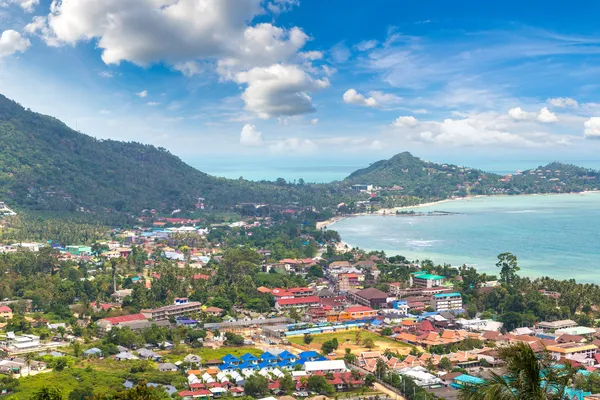
Bophut / Fisherman's Village
Most Popular for ExpatsCharming village with converted fisherman houses, cafes, restaurants, and Friday night walking street. Good community feel and central location.
Tropical island, wellness lifestyle
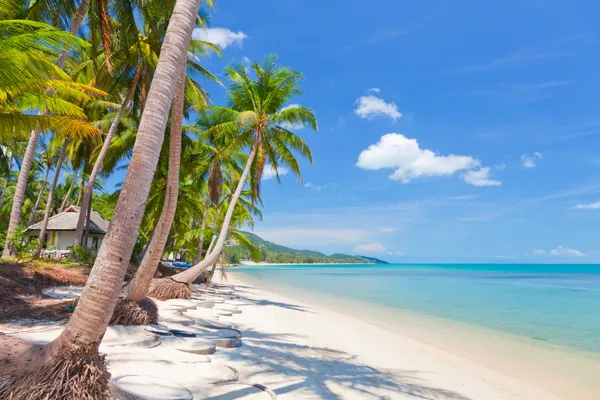
Koh Samui is Thailand's second-largest island and a dream destination for those seeking a tropical island retirement. Known for its coconut palm-fringed beaches, crystal-clear waters, and thriving wellness scene, Samui offers an upscale island lifestyle that's more developed and accessible than neighboring Koh Phangan or Koh Tao.
Koh Samui's monsoon (October-December) is different from the rest of Thailand. The east coast gets heavy rain, while the west coast is relatively sheltered. Many expats travel during this period, though some prefer the quieter, greener island.
Koh Samui is one of the more expensive places to live in Thailand. Island life means higher prices for groceries, fuel, and imported goods. However, it's still affordable compared to Western beach destinations.
| Expense | Budget | Comfortable | Luxury |
|---|---|---|---|
| Rent (1BR) | $500-800 | $900-1,500 | $2,000-5,000+ |
| Utilities | $60-100 | $100-180 | $200-400 |
| Food | $300-450 | $500-750 | $900-1,500 |
| Transport | $100-150 | $150-250 | $300-600 |
| Healthcare/Insurance | $120-180 | $200-350 | $400-600 |
| Entertainment | $100-200 | $250-450 | $600+ |
| Total | $1,180-1,880 | $2,100-3,480 | $4,400+ |
Expect to pay 15-30% more for groceries and everyday items compared to the mainland. The duty-free airport doesn't fully offset this. Many long-term residents stock up on certain items when visiting the mainland or Bangkok.
Koh Samui is roughly circular, and each area has its own character. The main road circles the island, making everywhere accessible:
Charming village with converted fisherman houses, cafes, restaurants, and Friday night walking street. Good community feel and central location.
Named after the iconic Big Buddha statue. More local feel, better prices, near the pier for Koh Phangan trips. Good for budget-conscious retirees.
Long sandy beach on the north coast with a relaxed, Thai-village atmosphere. Less developed, more authentic. Great for those wanting peace.
Second-busiest area after Chaweng, but more relaxed. Good beach, restaurants, and amenities without the intensity. Popular with mid-range retirees.
Small, secluded bay in the northeast corner with luxury resorts. Very quiet, beautiful beach, but limited amenities. Best for those with transport.
The main tourist hub with the longest beach, shopping malls, restaurants, and nightlife. Busy and touristy, but convenient. Best beach quality.
You'll need your own transport on Samui - there's no public transport system. Options include scooter rental ($100-150/mo), car rental ($400-600/mo), or buying a used vehicle. Many retirees buy a scooter for daily use and rent a car for trips.
Koh Samui has good healthcare for an island, with Bangkok Hospital Samui being the main facility. For complex procedures, many people fly to Bangkok (1 hour).
Part of the Bangkok Hospital network with good facilities and English-speaking staff. Full-service hospital that handles most needs. JCI accredited.
📍 North ChawengPrivate hospital with good reputation. More affordable than Bangkok Hospital. Good for routine care and non-emergency procedures.
📍 ChawengSmaller private hospital with decent facilities. Competitive pricing. Good option for minor treatments and general care.
📍 ChawengHealthcare on Samui is slightly more expensive than mainland Thailand:
For serious emergencies, medical evacuation to Bangkok is available. Make sure your health insurance covers emergency evacuation. Bangkok Hospital Samui coordinates transfers to Bangkok hospitals when needed.
Get our complete Koh Samui retirement guide with beach comparisons, wellness center reviews, and island living tips.